Energy-Efficient Roofing Options: A Comprehensive Guide

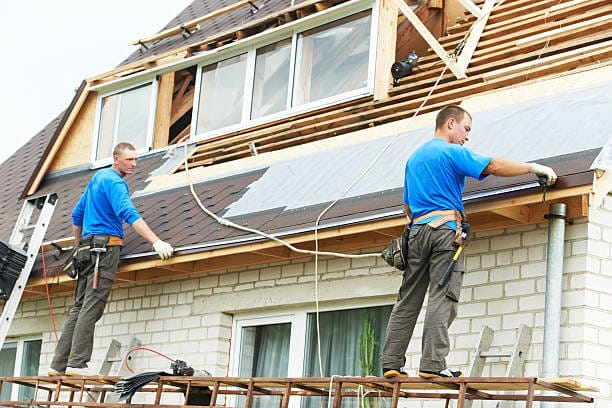
Exploring Energy-Efficient Roofing Options
When exploring energy-efficient roofing options, it is vital to consider various important factors such as cost, durability, and environmental impact. One of the main considerations is the type of roofing material used, as certain materials have energy-saving properties.
Metal roofs and cool roofs, for example, are known to reflect more sunlight and heat, thereby reducing the energy required for cooling a building.
Another option to consider is solar roofing, which integrates solar panels into the roof to harness the sun’s power and convert it into electricity.
This not only increases a home’s energy efficiency but also has the potential to significantly reduce electricity bills.
In addition to the choice of roofing material, proper roof insulation is crucial for improving energy efficiency.
Proper roof insulation is equally important, preventing heat transfer to keep buildings cool in summer and warm in winter. Materials should also suit the local climate to ensure longevity and effectiveness.
Informed decisions on energy-efficient roofing can boost energy efficiency, lower environmental impact, and save on energy costs. L&N Construction offers a range of energy-efficient roofing options to help you achieve these benefits.
Types of Energy-Efficient Roofing
Cool Roofs
Cool roofs reflect more sunlight and absorb less heat than standard roofs. This is achieved through reflective paint, sheet coverings, or reflective tiles and shingles. Benefits include reduced cooling costs, extended roof lifespan, and enhanced indoor comfort. Examples of cool roofing materials include white or light-colored asphalt shingles, metal roofing, and specialized reflective coatings.
Metal Roofing
Metal roofs are an excellent choice for energy efficiency, reflecting solar radiant heat and reducing cooling costs by 10-25%. Available in aluminum, steel, and copper, metal roofs are durable, often lasting 40-70 years, and are recyclable, making them a sustainable option.
Solar Reflective Shingles
Solar reflective shingles are designed to reflect more sunlight and absorb less heat than traditional shingles. These shingles use granules that reflect infrared radiation, a major component of solar heat. Available in various colors and styles, they offer aesthetic appeal and improved energy efficiency. Installation is straightforward, and while costs can vary, the long-term energy savings are significant.
Green Roofs
Green roofs, or living roofs, are covered with vegetation that provides natural insulation and reduces the heat island effect in urban areas. They are classified into extensive green roofs, which are shallow and lightweight, and intensive green roofs, which are deeper and can support a variety of plants. Green roofs help reduce energy costs, manage stormwater, and improve air quality.
Factors to Consider When Choosing Energy-Efficient Roofing
Climate and Weather
Your local climate significantly impacts the choice of energy-efficient roofing. For instance, cool roofs are ideal for hot climates where reducing cooling costs is a priority, while green roofs can provide extra insulation in colder climates. Understanding your region’s weather patterns helps you choose the most effective roofing option.
Initial Costs vs. Long-Term Savings
Energy-efficient roofing materials can have higher initial costs, but they often result in substantial long-term savings. Lower energy bills, reduced maintenance costs, and longer lifespan of the roofing materials can offset the initial investment. It’s essential to consider both the upfront costs and the long-term financial benefits when choosing a roofing material.
Installation and Maintenance
Proper installation is crucial for maximizing the benefits of energy-efficient roofing. Professional installation by L&N Construction LLC ensures that the roofing materials perform as expected and have a longer lifespan. Additionally, regular maintenance, such as cleaning debris from cool roofs or inspecting the vegetation on green roofs, helps maintain energy efficiency.
The Advantages of Each Roofing Type
Reduced Energy Bills
Energy-efficient roofing can significantly lower your energy bills. By reflecting more sunlight and reducing heat absorption, these roofs keep your home cooler in the summer, reducing the need for air conditioning. Many homeowners report savings of up to 20% on their energy bills after installing energy-efficient roofing.
Environmental Impact
Energy-efficient roofing helps reduce your carbon footprint. By lowering energy consumption, you decrease the demand for fossil fuels, which in turn reduces greenhouse gas emissions. Green roofs also contribute to better air quality and stormwater management, making them a sustainable choice for urban environments.
Enhanced Comfort
Energy-efficient roofing improves indoor comfort by maintaining more consistent indoor temperatures. This can be particularly beneficial in extreme weather conditions, ensuring that your home stays cooler in the summer and warmer in the winter. Enhanced comfort can also improve the overall livability and value of your home.
Making the Right Choice for Your Home in Colorado Springs
Choosing an energy-efficient roofing option is a smart investment for any homeowner. Not only does it provide financial benefits through reduced energy bills, but it also contributes to a healthier environment and improved indoor comfort. Whether you opt for cool roofs, metal roofing, solar reflective shingles, or green roofs, the key is to select the option that best suits your climate, budget, and aesthetic preferences.
Partner with Roof Contractor L&N Construction for Expert Solutions
If you’re in the Colorado Springs area, it’s crucial to explore roofing options suitable for the local climate. Colorado Springs experiences a range of weather conditions, including hot summers. With the expertise of L&N Construction, you can find the perfect roofing type from a vast array of roofing options.
FAQs
What is the most energy-efficient roofing material?
The most energy-efficient roofing materials include cool roofs, metal roofing, solar reflective shingles, and green roofs. Each has its unique benefits, so the best choice depends on your specific needs and climate.
How much can I save with an energy-efficient roof?
Savings can vary, but many homeowners report energy bill reductions of 10-20% after installing energy-efficient roofing. The exact savings depend on factors like local climate, roof type, and energy usage.
Are energy-efficient roofs worth the investment?
Yes, energy-efficient roofs are generally worth the investment due to their long-term savings on energy bills, increased home comfort, and positive environmental impact. Additionally, many energy-efficient roofing options are durable and require less maintenance, further enhancing their value.


