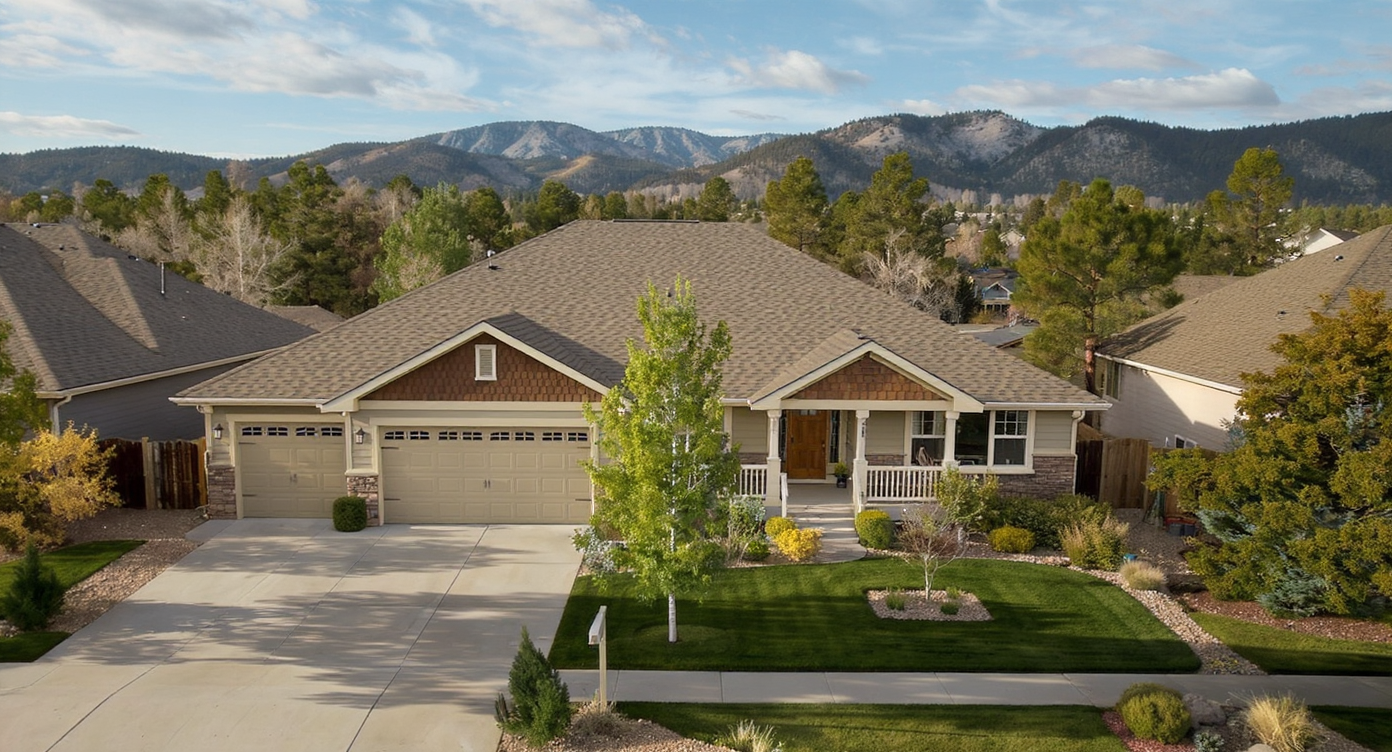
Roof maintenance in Falcon means staying ahead of three things the Front Range does to a roof: hail, intense high-altitude UV, and freeze-thaw cycles. Practically, that comes down to a couple of professional checks a year, a post-storm inspection after any serious hail, and some simple upkeep you can handle from the ground. Done consistently, it's the difference between getting the full life out of your shingles and paying for an early replacement.
A Seasonal Maintenance Checklist
Falcon's climate has two natural maintenance windows. Here's what each one should cover:
Spring (after freeze-thaw and the first storms):
- Check for hail bruising and granule loss from late-winter and early-spring storms
- Inspect flashing at chimneys, walls, and valleys where winter freeze-thaw pulls seals apart
- Look at pipe and vent boots — high-altitude UV dries out the rubber gaskets and cracks them
- Clear gutters and downspouts of winter debris so spring rain drains cleanly
Fall (before snow load arrives):
- Confirm shingles are sound and nothing lifted during summer wind
- Clean gutters again so melting snow doesn't back up and freeze
- Check attic ventilation and insulation, which drive how evenly snow melts and whether you get ice dams
- Seal any small gaps before they take on a winter's worth of moisture
Between those visits, the useful homeowner habit is simple: watch your gutters. Granules piling up in the downspouts is often the first sign that shingles are wearing or that hail knocked the protective surface loose.
What to Do Yourself vs. When to Call a Pro
Plenty of roof maintenance is safe from the ground. You can keep gutters clear, scan for lifted or missing shingles after a windstorm, and check your ceilings and attic for water stains or daylight. Those cost nothing and catch problems early.
What you should not do is walk a Falcon roof yourself. These are often steep, and at this elevation the combination of pitch, sun, and altitude makes DIY roof work genuinely dangerous. Anything that requires being on the roof — assessing hail damage, resealing flashing, replacing pipe boots, or making a roof repair — belongs to a professional who's insured for it. The goal of homeowner maintenance is early detection, not doing the repair.
Why Falcon Roofs Need More Maintenance Than Most
Falcon sits on exposed, east-facing plains east of Colorado Springs with little tree cover to slow incoming weather. The area and greater El Paso County average 7–10 severe hail days a year, with June historically the most damaging month — and El Paso County consistently ranks among the top counties in the country for hail-related insurance claims.
Hail is the reason maintenance matters so much here, and it's worth being clear about what hail actually does. In Falcon, hail damage is usually surface damage: it strips granules off the shingle and leaves bruises that compromise UV protection and shorten the roof's life. It rarely punches a dramatic hole. That's exactly why it's easy to ignore — the roof looks fine from the driveway while its lifespan quietly drops. Regular maintenance, especially a check after each significant storm, catches that wear before it becomes a leak.
Elevation compounds it. Falcon's high plains sit above 6,000 feet, where summer UV is intense enough that architectural shingles warranted for 25–30 years realistically deliver 15–20. Maintenance won't change the altitude, but it makes sure you get every year the material actually has.
Falcon-Specific Considerations
Falcon's newer subdivisions like Woodmen Hills and Meridian Ranch are now reaching the 15–20 year mark where original builder-grade shingles hit the end of a realistic Front Range lifespan. On homes that age, maintenance shifts from "keep it going" to "watch it closely," because a roof that's near end-of-life plus a hail season is a roof that fails fast. Keeping gutters clear and flashing sealed buys time, but at some point a documented inspection tells you whether you're maintaining or replacing.
Want a straight answer on where your Falcon roof stands? Call (719) 355-0648 or schedule a free inspection. We'll tell you honestly what's on your roof and what it needs — no upsell, no scare tactics.
Frequently Asked Questions
How often should I have my roof maintained in Falcon, CO?
Plan on a professional check at least once a year, plus an inspection after any significant hail or wind event. In Falcon's climate, spring and early fall are the two key windows — spring to catch freeze-thaw and hail damage from the previous season, fall to prepare for snow load. Homeowners can do light visual checks and keep gutters clear in between.
What roof maintenance can I do myself?
Safely from the ground, you can watch for granules collecting in gutters and downspouts, keep gutters and downspouts clear of debris, look for lifted or missing shingles after wind, and check ceilings and the attic for water stains or daylight. Leave anything that requires walking the roof — flashing repairs, sealant work, hail assessment — to a professional. Steep, high-altitude roofs are not a safe DIY project.
Does roof maintenance really extend a roof's life in Colorado?
Yes. At Front Range elevation, UV and freeze-thaw cycles age roofs faster than the manufacturer warranty suggests, so architectural shingles often deliver 15–20 years rather than 25–30. Catching cracked flashing, dried-out pipe boots, and minor storm damage early prevents the small leaks that turn into deck rot and full replacements. Maintenance won't stop hail, but it buys you every year the material has left.
Should I get roof maintenance after a hailstorm?
Absolutely — a post-storm check is the highest-value maintenance you can schedule. Hail damage in Falcon is usually surface damage: knocked-off granules and bruising that shorten shingle life without causing an immediate leak, so it's easy to miss from the ground. A documented inspection catches it while it's still claimable, before the damage quietly progresses.
Is a maintenance visit the same as a roof inspection?
They overlap but aren't identical. A maintenance visit focuses on upkeep — clearing debris, resealing flashing, replacing worn boots, minor repairs — while a storm inspection focuses on documenting damage for a possible insurance claim. A good contractor does both in one visit and gives you a written summary either way.