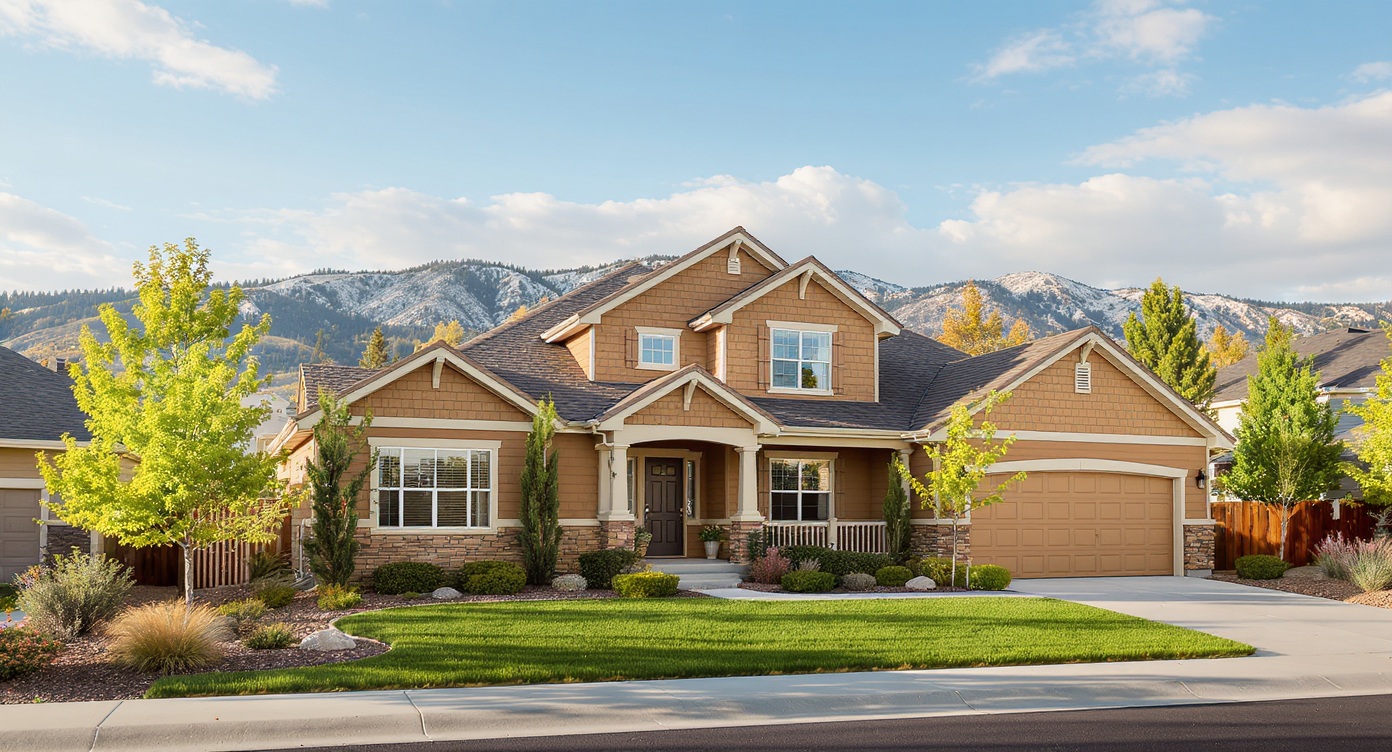
Damage repair roofing in Colorado Springs is more complex than a simple patch job — the elevation, hail frequency, and insurance landscape all shape what the right repair actually looks like and what your policy should cover. Whether you're dealing with aftermath from a summer hailstorm, lifting shingles from a February ice cycle, or slow leak damage you discovered during spring cleaning, here's what you need to know before calling a contractor.
What Counts as "Damage" Under a Colorado Roof Inspection
Not all roof damage is equal. How a contractor classifies it determines whether your insurer pays, how urgent the repair is, and whether patch work or full replacement is the honest call.
Functional damage — cracked or displaced shingles, dented flashing, broken pipe-boot seals — affects the roof's ability to shed water. Insurers cover this under most HO-3 policies because it represents real loss of performance.
Cosmetic damage — granule displacement, minor scuff marks, shallow dents in metal trim — doesn't compromise waterproofing but can affect appearance. Colorado courts have generally held that "like kind and quality" contract language creates a matching obligation when undamaged sections can't match replaced sections, but this is a contract and case-law issue, not a statutory guarantee.
Wear and UV degradation is common at 6,035-foot elevation. Asphalt shingles typically last 15–20 years here rather than the 25–30 years on manufacturer warranties — altitude shortens service life. If a roof is past 15 years, even modest storm damage often tips the math toward replacement.
Any contractor who calls everything a "full replacement" without categorizing damage type is either unskilled or working against your interests.
Colorado Springs' Damage Profile: What's Actually Hitting Local Roofs
El Paso County consistently ranks among the top 5 US counties for hail-related insurance claims — and local weather backs that up. Colorado Springs averages 7–10 severe hail days per year, with June being the peak month. The 2018 Black Forest hailstorm produced baseball-sized hail that caused a regional surge in roof insurance claims.
But hail isn't the only hazard. Colorado Springs' position at the base of the Front Range creates a compounding damage environment:
- Freeze-thaw cycles drive water under lifted shingle edges and into exposed flashing joints, then expand as ice and pry open seams that are fine in warmer climates. North-facing slopes and low-pitch sections are most vulnerable.
- Snow loading — the region sees 38–45 snow days per year — adds weight stress, and ice dams on poorly ventilated attics push standing water back under the starter course.
- UV degradation at altitude breaks down granule adhesion faster than sea-level markets, leaving shingles brittle and more susceptible to hail impact damage even when the storm itself isn't severe.
When a storm inspector looks at your roof after a Colorado Springs hailstorm, they're evaluating damage against this baseline: a roof that was likely already stressed by UV and temperature cycling before the storm arrived.
Navigating the Insurance Claim Process
Most Colorado homeowners file roof damage claims under their standard HO-3 policy. Here's where they commonly get tripped up:
File promptly. You generally have up to one year from the date of loss to report a claim, with a typical two-year window to complete the filing. Document while you can — storm evidence fades.
Know your deductible. Standard HO-3 policies in Colorado carry hail and wind deductibles at 1–2% of dwelling coverage. After the 2018 storm season, some carriers shifted to separate 2–5% wind/hail deductibles. On a home insured for $400,000, a 2% deductible means $8,000 out of pocket before your policy kicks in.
Understand Xactimate pricing. Insurance adjusters use Xactimate to scope costs. For Colorado Springs, a standard 20-square architectural shingle replacement runs around $18,000–$21,500 as of April 2026 (insurance-grade, not retail), depending on pitch and complexity. Contractors familiar with Xactimate can negotiate line items — including overhead and profit (O&P) on qualifying claims, which adjusters sometimes initially omit.
Colorado's Division of Insurance enforces prompt-payment rules under Title 10, Article 3, Part 10 — once a claim is approved, the insurer must pay within defined timeframes.
What to Look for in a Colorado Springs Roof Repair Contractor
Colorado has no statewide roofing license, but Colorado Springs and El Paso County require contractor registration through the Pikes Peak Regional Building Department (PPRBD). Before hiring anyone, confirm:
- PPRBD registration — verifiable online
- General liability and workers' comp insurance in Colorado
- Written scope tied to your insurance estimate (or standalone scope for cash work)
- No deductible waiver offers — waiving deductibles is insurance fraud under Colorado law
- A physical Colorado address, not a storm-season P.O. box
Storm chasers arrive door-to-door after every major hail event and disappear just as fast. L&N Construction LLC has been operating in El Paso County since 2011 — we'll be here when you need warranty work six months from now.
Colorado Springs-Specific Repair Considerations
The Front Range environment shapes what a quality repair job actually requires:
Ice and water shield on eaves and valleys is required by code in Colorado Springs. It adds $1,100–$1,700 to a typical job — a cost absent in lower-elevation markets. Any repair that opens up eaves or valleys must include or preserve this barrier.
Class 4 impact-resistant shingles are worth upgrading to when you're replacing a significant section. The upgrade adds roughly $100–$150 per roofing square and many Colorado carriers offer premium discounts that recover that cost within 3–5 years.
Flashing is the overlooked failure point. Colorado's temperature swings — sub-zero winters to 90°F+ summers — cycle metal flashing through extreme expansion and contraction. Chimney, skylight, and sidewall step flashing develop micro-gaps that cause slow leaks long before shingles fail. Any honest damage inspection covers all penetrations, not just the shingle field.
Ready for an honest damage assessment in Colorado Springs? Call L&N Construction LLC at (719) 355-0648 or schedule a free roof inspection online. We provide Xactimate-based estimates and walk you through every line of your insurance scope — no surprises, no pressure.
Frequently Asked Questions
How do I know if my roof needs repair or full replacement after hail damage?
A certified inspector measures hail impact density and checks for functional damage — dented metal flashing, cracked shingles, and granule displacement. Minor damage with isolated hits can often be repaired. When more than 30% of a slope shows functional damage, or when the roof is already near the end of its Colorado service life, full replacement is typically the better long-term value.
Does homeowners insurance cover roof damage repair in Colorado Springs?
Most standard HO-3 policies in Colorado cover sudden storm damage — hail, wind, and weight of snow — subject to your deductible. Colorado hail and wind deductibles typically run 1–2% of dwelling coverage, though some carriers moved to separate 2–5% wind/hail deductibles after the 2018 Black Forest storm season. Colorado insurance rules under Title 10, Article 3, Part 10 require prompt payment once a claim is approved.
How long does roof repair take in Colorado Springs?
Most repair jobs — replacing damaged shingles, reflashing a chimney or valley, or sealing lifted edges — are completed in a single day. Larger partial replacements on cut-up roofs or steep pitches may run two days. Emergency tarping, when needed after a storm, is typically same-day or next-day.
What makes Colorado Springs roof damage different from other markets?
Elevation, hail frequency, and temperature swings all compound. At 6,035 feet, UV radiation is significantly higher than at sea level, which degrades shingle granules faster. El Paso County ranks in the top 5 US counties for hail-related insurance claims, and the freeze-thaw cycle through spring and fall opens seams and flashings that are otherwise fine in gentler climates.
Should I repair or upgrade to Class 4 shingles after a hail claim?
If your insurer is paying for a replacement scope, upgrading to Class 4 impact-resistant shingles is usually worth it. The upgrade typically adds $100–$150 per roofing square and many Colorado carriers offer premium discounts that recover that cost within 3–5 years. After 2018, several Front Range insurers began requiring Class 4 on new and replacement roofs — ask your adjuster before committing to standard shingles.