Understanding Roof Flashing: Roofing Installation & Repair
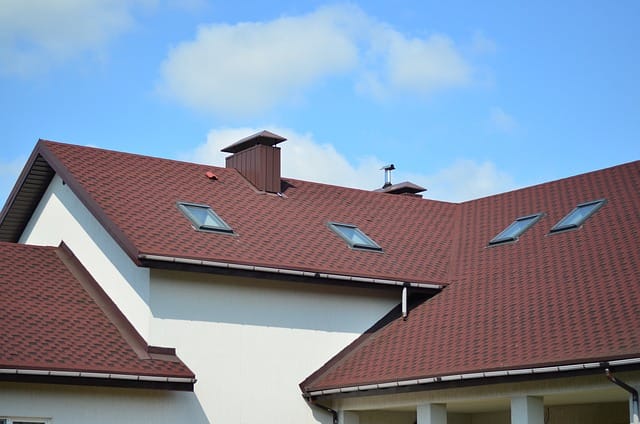
Roof flashing is the unsung hero of your roofing system. Those thin strips of metal at every joint, penetration, and transition point are all that stands between your home and water damage. In Colorado Springs, where freeze-thaw cycles stress every roof component and hailstorms can damage flashing seals, understanding flashing is essential for protecting your home.
Why Flashing Matters More Than You Think
Roughly 90% of roof leaks originate at flashing points -- not from shingle failure. Chimneys, vent pipes, skylights, wall-to-roof transitions, and valleys are all potential leak sources, and flashing is the only barrier keeping water out at these vulnerable intersections.
In Colorado Springs, flashing takes extra abuse:
- Freeze-thaw cycling: Water seeps into tiny gaps, freezes and expands, then thaws. Over 100+ freeze-thaw cycles per winter at 6,035 feet, this relentless expansion and contraction loosens flashing seals
- Hail impact: Large hailstones dent and deform flashing, breaking the watertight seal
- UV degradation: 25% more intense UV at our elevation breaks down sealants and caulking faster than at lower elevations
- Thermal movement: Daily temperature swings of 40+ degrees cause metal flashing to expand and contract, gradually working fasteners loose
What Is Roof Flashing?
Flashing is thin sheet metal (typically galvanized steel, aluminum, or copper) formed to create a watertight transition between the roof surface and anything that penetrates or intersects it. It works by directing water flow away from vulnerable joints and down the roof surface to the gutters.
Types of Roof Flashing
Different roof features require different flashing approaches:
- Step flashing: L-shaped metal pieces woven between shingle courses along wall-to-roof transitions. Each piece overlaps the one below, creating a stair-step water barrier. Used wherever a roof meets a vertical wall, dormer, or chimney side
- Counter-flashing: Installed over step flashing, embedded into mortar joints or reglets cut into masonry. Creates a second line of defense at chimney and wall transitions
- Valley flashing: Open or closed metal channels where two roof planes meet. Open valleys use exposed metal (preferred in Colorado for hail -- you can see and replace damaged sections). Closed valleys weave shingles over the metal
- Drip edge: Metal strips along eaves and rakes that direct water into gutters and prevent it from wicking back under shingles. Required by code in Colorado
- Pipe boot flashing: Rubber or lead collars around plumbing vent pipes. These are the most common failure point -- rubber boots typically last 10-15 years before cracking, while metal boots with neoprene seals last longer
- Chimney flashing: A multi-component system of base flashing, step flashing, counter-flashing, and a cricket (saddle) behind the chimney to divert water. Chimney flashing is the most complex and most common source of leaks when improperly installed
Signs Your Flashing Needs Attention
Watch for these warning signs, especially after hailstorms or during spring inspections:
- Water stains on ceilings or walls near chimneys, skylights, or where a roof meets a wall
- Visible rust, corrosion, or dents on flashing metal
- Cracked or missing caulking/sealant at flashing edges
- Lifted or bent flashing edges
- Cracked rubber pipe boots (check from the ground with binoculars)
- Green or white mineral deposits (efflorescence) on chimney masonry below the flashing line
When to Call a Professional
Flashing repair is not a DIY project. Improper flashing work is worse than no repair at all because it creates a false sense of security while allowing hidden water damage to continue. Professional roofers have the tools, materials, and experience to:
- Identify the actual leak source (water can travel several feet along rafters before dripping, making the visible stain misleading)
- Remove and replace damaged flashing without disturbing surrounding shingles
- Properly integrate new flashing with existing roofing materials
- Apply appropriate sealants rated for Colorado Springs UV exposure and temperature range
L&N Construction inspects all flashing points during every free roof inspection. If you have noticed water stains, missing sealant, or damaged flashing, call us at (719) 355-0648 before a minor flashing issue becomes a major water damage repair.


