New Roof Installation Checklist

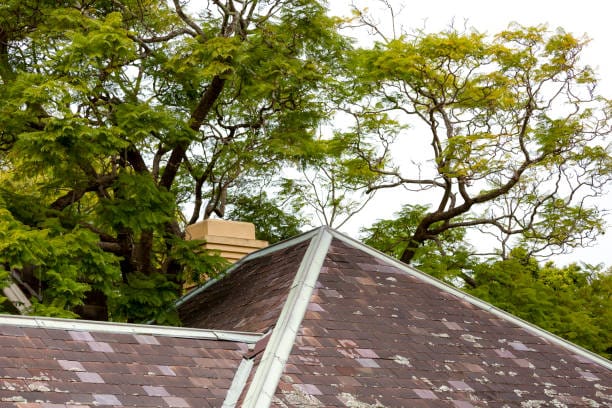
A new roof is one of the biggest investments you will make in your Colorado Springs home -- typically $8,000 to $25,000 depending on materials and scope. This checklist covers every step from initial research through post-installation care, so nothing falls through the cracks.
Your New Roof Installation Checklist
Print this list or save it to your phone. Check off each step as you go.
Research and Planning
- Assess your current roof: How old is it? Are you seeing granules in the gutters, curling shingles, or daylight through the attic? If your roof is 20+ years old and showing wear, it is likely time for replacement rather than patching.
- Check your insurance policy: Many Colorado homeowner policies cover storm damage replacement. If recent hail triggered your decision, document the damage with photos before calling your insurer.
- Set a realistic budget: In 2025-2026, Colorado Springs homeowners should expect $4.50-$8.50 per square foot installed for asphalt, $9-$15 for metal. Get at least three written estimates to compare.
- Understand local permits: Colorado Springs requires a building permit for full roof replacements. Your contractor should pull the permit and schedule the final inspection -- if they suggest skipping it, that is a red flag.
Choosing the Right Contractor
- Verify licensing and insurance: Colorado requires roofers to carry general liability and workers compensation insurance. Ask for certificates and confirm they are current.
- Check local references: Ask for 5-10 recent projects in the Colorado Springs area. Drive by a few. A contractor who has done hundreds of roofs locally -- like L&N Construction with 1,200+ completed -- has a track record you can verify.
- Read the contract carefully: It should specify materials (brand, product line, color), start and estimated completion dates, payment terms, warranty details, and cleanup expectations. Never sign a contract with vague material descriptions like "architectural shingles."
- Confirm manufacturer certification: Certified contractors (like Owens Corning Preferred Contractors) can offer enhanced warranty coverage that non-certified installers cannot.
Red Flags to Watch For
- Door-to-door solicitation right after a storm
- Asking for full payment upfront (standard is 30-50% deposit, balance on completion)
- No written estimate or vague scope of work
- Unwillingness to pull permits
- Out-of-state license plates on every truck (storm chasers)
Material Selection for Colorado Springs
Your material choice should account for our unique climate challenges at 6,035 feet:
- Architectural asphalt shingles: Best overall value. 25-30 year warranty, good hail resistance in Class 3-4 ratings. Owens Corning Duration and GAF Timberline HDZ are proven performers at altitude.
- Impact-resistant (Class 4) shingles: Same look as standard architectural, but engineered to withstand 2-inch hailstones. Most Colorado insurers offer 15-25% premium discounts for Class 4 roofs -- the savings often cover the upgrade cost within 5-7 years.
- Standing seam metal: 50-70 year lifespan, superior hail and wind resistance, energy-efficient. Higher upfront cost ($15,000-$30,000) but potentially the last roof your home ever needs.
- Concrete or clay tile: Durable and distinctive, but heavy. Your home's framing must be engineered to handle the weight. Less common in Colorado Springs than the Front Range corridor.
Pre-Installation Inspection
- Professional roof inspection: A qualified contractor will check deck condition, ventilation, and existing flashing -- not just the shingles. L&N Construction offers free inspections with detailed photo documentation.
- Attic inspection: Look for signs of moisture, mold, inadequate ventilation, or compressed insulation. These issues should be addressed during the reroof, not after.
- Prepare your property: Move vehicles out of the driveway, relocate patio furniture and grills, cover landscaping near the house. Alert your neighbors about the noise.
Installation Day: What to Expect
A typical Colorado Springs reroof follows this sequence:
- Material delivery (day before): Shingle bundles staged on the roof or driveway
- Tear-off: Old shingles stripped to the decking, hauled away in a dumpster
- Deck inspection: Plywood or OSB checked for rot, soft spots, and proper nailing. Damaged sections replaced
- Ice and water shield: Applied at eaves, valleys, and around all penetrations (chimneys, vents, pipes). Required by code in our climate zone 5
- Synthetic underlayment: Covers the entire roof field as a secondary moisture barrier
- Drip edge and starter strip: Metal drip edge at rakes and eaves, starter shingles along the bottom edge for wind resistance
- Shingle installation: Field shingles laid from bottom to top in staggered courses, secured with 4-6 nails per shingle per manufacturer specs
- Ridge and hip caps: Specialty ridge cap shingles installed along all ridges and hips
- Flashing: New step flashing, counter-flashing, and pipe boots at all penetrations
- Cleanup: Magnetic nail sweep of yard, debris removal, and final walk-through
Understanding Your Warranties
You should receive two separate warranties:
- Manufacturer warranty: Covers material defects. Standard coverage is 25-50 years depending on the product. Enhanced warranties (like Owens Corning Platinum Protection) add labor coverage but require a certified installer.
- Workmanship warranty: Covers installation errors. Reputable contractors offer 5-10 years minimum. L&N Construction backs our work because we plan to be here -- we are not a storm-chasing crew that disappears after hail season.
Keep your warranty documents, paid invoice, and any permit records together. You will need them if you file a claim.
Post-Installation Care
- Final walk-through: Inspect the finished roof from ground level. Check gutters for debris, look for crooked lines or exposed nails, and verify all flashing is sealed.
- Annual inspections: Schedule a professional inspection every spring and after major storms. Early detection of minor issues prevents expensive repairs.
- Gutter maintenance: Clean gutters at least twice yearly. Clogged gutters cause ice dams in winter and water damage year-round.
- Tree management: Keep branches trimmed at least 6 feet from the roof surface to prevent abrasion and reduce debris accumulation.
A well-maintained roof in Colorado Springs should give you 25-30 years of reliable protection. Skip the maintenance, and you could be looking at problems within 10-15 years. Protect your investment -- schedule a free inspection with L&N Construction today.

