Importance of Spring Roofing Inspection

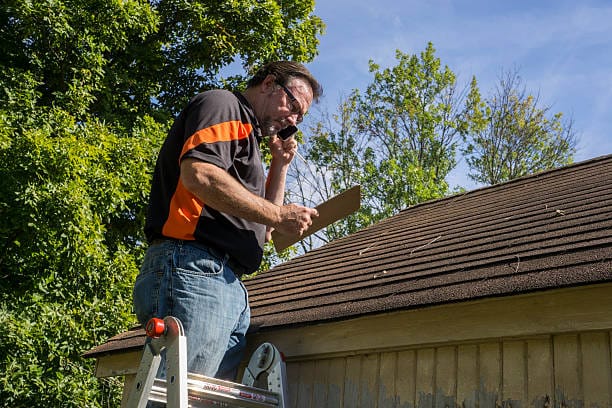
Why Spring Roof Inspections Matter in Colorado Springs
Winter in Colorado Springs means freeze-thaw cycles, heavy snow loads, ice dams, and occasional 70+ mph wind events. By March, your roof has endured 4-5 months of punishment. A spring inspection catches damage before it becomes a leak during thunderstorm season -- and before the roofing industry hits peak demand.
At L&N Construction, we see it every year: homeowners who skip the spring inspection and call us in July with water pouring through their ceiling during an afternoon thunderstorm. The repair that would have cost $500 in March now costs $5,000+ because water has been infiltrating for months.
What Winter Weather Does to Colorado Springs Roofs
At 6,035 feet elevation, our roofs take more abuse than most:
- Freeze-thaw cycling: Colorado Springs experiences 100+ freeze-thaw cycles per winter. Water seeps into tiny cracks, freezes and expands 9%, then thaws. Each cycle widens the crack. By spring, minor gaps become serious vulnerabilities
- Ice dams: When attic heat melts snow on the roof, water runs to the cold eave and refreezes, creating a dam. Water backs up under shingles, soaking the decking. Look for water stains on ceilings near exterior walls
- Snow load stress: Heavy snow events (12+ inches) put significant weight on your roof structure -- roughly 20 lbs per cubic foot of packed snow. Rafters, trusses, and connections can develop stress cracks
- Wind damage: Winter wind events along the Front Range can reach 80-100 mph. These gusts lift shingle tabs, break seals, and tear flashing loose. The damage is often invisible from the ground
What to Look For: Spring Inspection Checklist
A thorough spring inspection covers these areas:
From the Ground and Ladder
- Missing or damaged shingles: Look for bare spots, cracked shingles, or shingles with lifted tabs. Binoculars help for steep roofs
- Granule loss: Check gutters and downspout discharge areas for granule accumulation. Heavy granule loss means shingles are aging and losing UV protection
- Flashing condition: Inspect flashing around chimneys, vents, skylights, and wall transitions for rust, dents, lifted edges, or missing sealant
- Gutter and downspout integrity: Look for sagging sections, pulled-out hangers, and leaking seams caused by ice expansion
- Soffit and fascia: Check for water stains, rot, peeling paint, or animal damage (birds and squirrels exploit winter-damaged soffits)
From Inside the Attic
- Water stains: Dark marks on rafters or decking indicate past or active leaks
- Daylight: Visible light through the roof deck means gaps where water can enter
- Mold or mildew: Musty smell or visible mold growth signals moisture infiltration
- Insulation condition: Compressed, wet, or displaced insulation reduces energy efficiency and may indicate a leak path
- Ventilation: Confirm soffit vents and ridge vents are clear of insulation blockage or debris. Proper ventilation prevents ice dams and extends shingle life
Why Timing Matters: Beat the Rush
Colorado Springs roofing contractors are busiest from June through September, when hailstorms drive emergency demand. Scheduling your inspection in March or April gives you two advantages:
- Faster scheduling: Most contractors can get to you within a week in early spring vs. 3-4 week waits during hail season
- Better repair pricing: Off-peak scheduling sometimes means better availability and no emergency surcharges
- Prevention window: Catching and fixing a problem in March gives your roof months to seal properly before heavy rain season
Professional vs. DIY Inspection
Homeowners can handle basic ground-level visual checks. But professional inspections catch what you cannot see:
- Subtle hail damage patterns that indicate future failure
- Flashing deterioration hidden behind counter-flashing
- Deck soft spots that only show under weight
- Ventilation inadequacies causing condensation
- Early-stage issues with pipe boots and sealants
L&N Construction offers free, no-obligation roof inspections with detailed photo documentation. We inspect every accessible component -- shingles, flashing, vents, gutters, and attic -- and provide a written assessment with repair recommendations and honest timelines.
Do not wait until a summer storm reveals the damage winter left behind. Call L&N Construction at (719) 355-0648 to schedule your spring inspection today.


