Exploring Skylights Sky Windows and Roof Windows

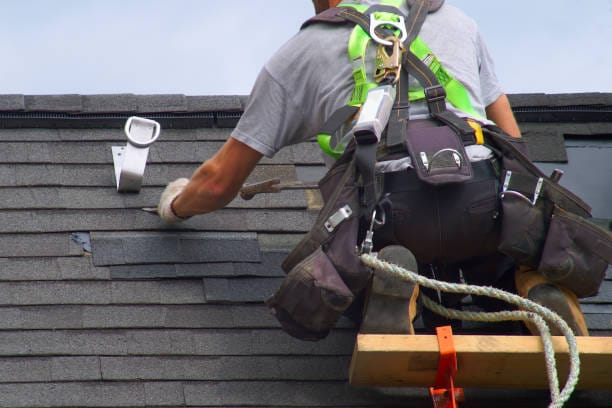
With 300 sunny days per year, Colorado Springs is one of the best places in the country to add a skylight. Natural light transforms dark hallways, bathrooms, and interior rooms -- and at our latitude and elevation, a well-placed skylight delivers impressive year-round illumination.
But skylights, sky windows, and roof windows are three different products with different applications. Here is what Colorado Springs homeowners need to know before choosing.
Skylights, Sky Windows, and Roof Windows in Colorado Springs
All three mount in your roof to let in natural light, but they differ in size, operation, and intended use:
- Skylights: Fixed or ventilating units installed flush with the roof plane. Most common. Sizes range from 14x30 inches to 30x55 inches.
- Sky windows: Ventilating skylights with larger openings. They pivot or hinge open enough to provide meaningful airflow, not just a crack.
- Roof windows: Full-size windows installed in the roof plane that you can open completely. Often used in finished attic spaces, lofts, and bonus rooms.
Fixed Skylights: Maximum Light, Minimum Complexity
Fixed (non-opening) skylights are the simplest and most affordable option. They bring in natural light without any moving parts that could eventually leak or fail.
- Best for: Hallways, closets, bathrooms without exhaust fan needs, stairwells
- Typical cost installed: $800 to $2,000 in Colorado Springs (2025 pricing)
- Glass options: Double-pane low-E glass is standard. At 6,035 feet, UV intensity is 25% higher than sea level, so low-E coating matters more here than in lower-elevation markets.
- Flashing: Proper step and counter-flashing is critical. Poorly flashed skylights are the number one source of skylight leaks -- the skylight itself rarely fails.
Ventilating Skylights (Sky Windows)
Ventilating skylights open partially to allow hot air to escape -- a major advantage in Colorado Springs where summer attic temperatures can exceed 150 degrees F.
- Manual vs. electric: Manual models use a telescoping pole or crank handle. Electric and solar-powered models open with a remote or integrate with smart home systems.
- Rain sensors: Most electric models include a sensor that closes the skylight automatically when moisture is detected. Essential during our summer afternoon thunderstorms.
- Best for: Kitchens, bathrooms (helps remove humidity), and any room where passive ventilation would reduce AC load
- Typical cost installed: $1,200 to $3,500 depending on size and operation type
Roof Windows: Full-Size Windows in Your Roof
Roof windows are large enough to serve as an emergency egress point and can functionally replace a wall window in rooms where the roof is the primary wall -- finished attics, loft bedrooms, and top-floor bonus rooms.
- Egress compliance: If you are finishing an attic bedroom, Colorado building code requires an emergency escape opening. A properly sized roof window can satisfy this requirement where dormers are impractical.
- Sizes: Standard roof windows range from 22x38 inches to 44x55 inches -- large enough to climb through in an emergency.
- Operation: Center-pivot (the sash rotates 180 degrees for easy exterior glass cleaning) or top-hinged (opens outward like an awning).
- Typical cost installed: $2,500 to $5,000+
Skylight vs. Sky Window vs. Roof Window: Quick Comparison
- Fixed skylight: Light only, no ventilation. Lowest cost, fewest leak points.
- Ventilating skylight: Light plus airflow. Mid-range cost. Great for kitchens and bathrooms.
- Roof window: Light, ventilation, and potential egress. Highest cost. Best for finished attic spaces.
Installation Considerations for Colorado Springs
Our climate creates specific challenges that your installer needs to address:
- Hail impact rating: Choose tempered or laminated glass rated for impact. Standard glass skylights can shatter during the 3-5 significant hailstorms we average per year.
- Snow load: Skylights on low-pitch roofs can accumulate snow. Consider a steeper curb mount or a skylight designed to shed snow. The curb also elevates the unit above the snow line.
- Ice dams: Proper flashing and adequate insulation around the skylight frame prevent ice dam formation. Ice dams are the leading cause of skylight water damage in Colorado winters.
- UV protection: At our elevation, UV breaks down gaskets and seals faster. Specify UV-stable materials and plan for seal inspection every 5 years.
- Orientation: North-facing skylights provide consistent, glare-free light. South-facing skylights maximize solar heat gain in winter but may overheat rooms in summer. East-facing units catch morning light without afternoon heat.
Is a Skylight Worth It in Colorado Springs?
Absolutely -- with the right product and installation. Our 300 sunny days per year mean you will actually use the natural light a skylight provides. A fixed skylight in a dark bathroom or hallway can feel like a mini renovation at a fraction of the cost.
The key is professional installation with proper flashing and weatherproofing for our altitude and climate. A skylight installed by someone who understands Colorado weather will perform flawlessly. One installed by a handyman with generic flashing may leak within a few years.
Ready to bring more natural light into your Colorado Springs home? Call L&N Construction at (719) 355-0648 for a free consultation. We will assess your roof, recommend the right skylight type for your space, and provide a detailed written estimate.

